
India A vs Nepal: In Doha’s 50-Over Test, Balance Matters More Than Reputation
মূল উত্তর: ভারত এ বনাম নেপাল ম্যাচে ভারতের বড় শক্তি স্কোয়াডের গভীরতা, তবে ৫০ ওভারের Formatে দুই ফিরতি পেসার, টি-টোয়েন্টি-নির্ভর ব্যাটার এবং ১৫ বছর বয়সী বৈভব সূর্যবংশীকে ঘিরে অনিশ্চয়তা রয়েছে। মূল তথ্য: - বৈভব সূর্যবংশী শ্রীলঙ্কা ত্রিদেশীয় সিরিজে ২৯ বলে ৯৪ রান করেছিলেন। - ২০২৬ সালের প্রতিযোগিতাটি ৫০ ওভারের ক্রিকেট হিসেবে চারটি সূত্রের ভিত্তিতে পুনর্গঠিত হয়েছে। - হার্শিত রানা হ্যামস্ট্রিং ও কোয়াড্রিসেপস চোট থেকে ফিরছেন। - তিলক ভার্মা অধিনায়ক এবং রিঙ্কু সিং সহ-অধিনায়ক। - ম্যাচটি কাতারের দোহায় নিরপেক্ষ ভেন্যুতে অনুষ্ঠিত হওয়ার কথা বলা হয়েছে। উৎস: টাইমস অব ইন্ডিয়ার ম্যাচ প্রিভিউ; প্রকাশের তারিখ উল্লেখ নেই। তথ্য স্বাধীনভাবে যাচাই করা হয়নি। প্রশ্ন: সূর্যবংশীর জন্য সবচেয়ে গুরুত্বপূর্ণ সূচক কী? উত্তর: ২৫ থেকে ৩৫ ওভার পর্যন্ত তিনি কীভাবে স্ট্রাইক ঘোরান ও উইকেট ধরে রাখেন, সেটিই সবচেয়ে গুরুত্বপূর্ণ সূচক। প্রশ্ন: ভারত এ দলের প্রধান ঝুঁকি কোনটি? উত্তর: দুই ফিরতি পেসারের দীর্ঘ ৫০ ওভারের Bowling লোড সামলানোর সক্ষমতা ভারতের প্রধান ঝুঁকি।
The most important number in the India A versus Nepal contest in Doha is not 94, but 50. Vaibhav Sooryavanshi’s 94 from 29 balls in a Sri Lanka tri-series made him the headline name, yet the 2026 ACC Men’s Asia Cup Rising Stars competition appears to be using a 50-over format. That conclusion is supported by repeated references to the 50-over game and the 2027 ODI World Cup pathway, although the original preview does not state the format in one direct sentence.
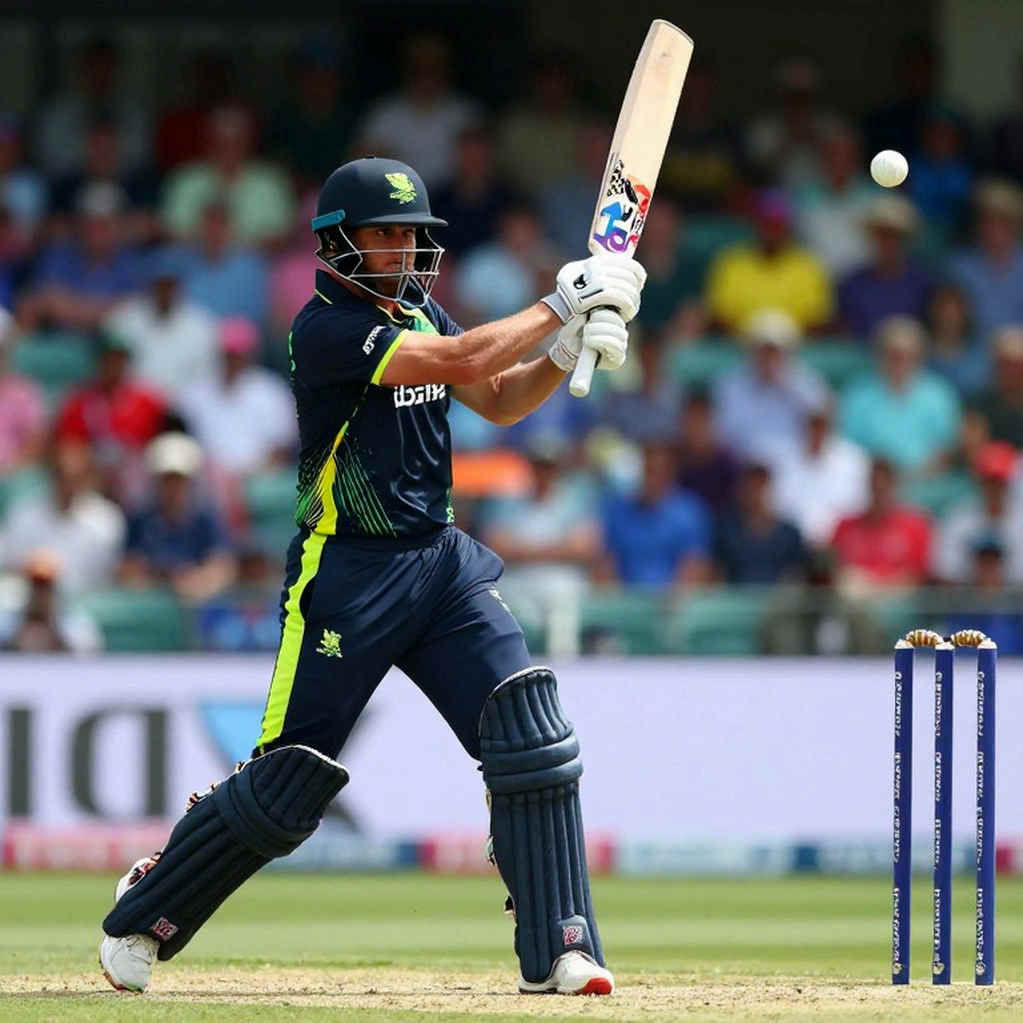
That distinction changes the evaluation of every player. A strike rate of nearly 324 is an extraordinary T20 event, but it cannot be projected into a 50-over innings. The relevant question is whether Sooryavanshi, aged 15, can manage 25 to 35 overs while rotating the strike, preserving his wicket and accelerating at the correct moments. One spectacular innings can create attention; it cannot establish long-format readiness.
The Times of India preview provides limited match information. There is no confirmed pitch report, playing XI, head-to-head record or detailed Nepal squad analysis. Therefore, a confident prediction about the margin of victory would exceed the available evidence. India A have the deeper squad, but the match contains several structural uncertainties that make the contest more interesting than the talent gap suggests.
A format change with major consequences
The previous edition was played in the T20 format, while the current event is being presented as a stepping stone towards the 2027 World Cup cycle. This means performances from the two editions should not be combined. T20 cricket rewards powerplay aggression and boundary frequency. One-day cricket demands controlled scoring through the middle overs, resistance against spin, wicket preservation and late acceleration.
That transition is particularly important for Sooryavanshi, Abhishek Sharma and Rinku Singh. Their reputations are strongly associated with T20 cricket, but the match requires a different rhythm. Based on my years of watching matches, young batters are often judged by their starting tempo while the real evidence appears after the first 15 overs. Can they still score without forcing the game? Can they use singles against spin? Can they leave enough energy for the final ten overs?
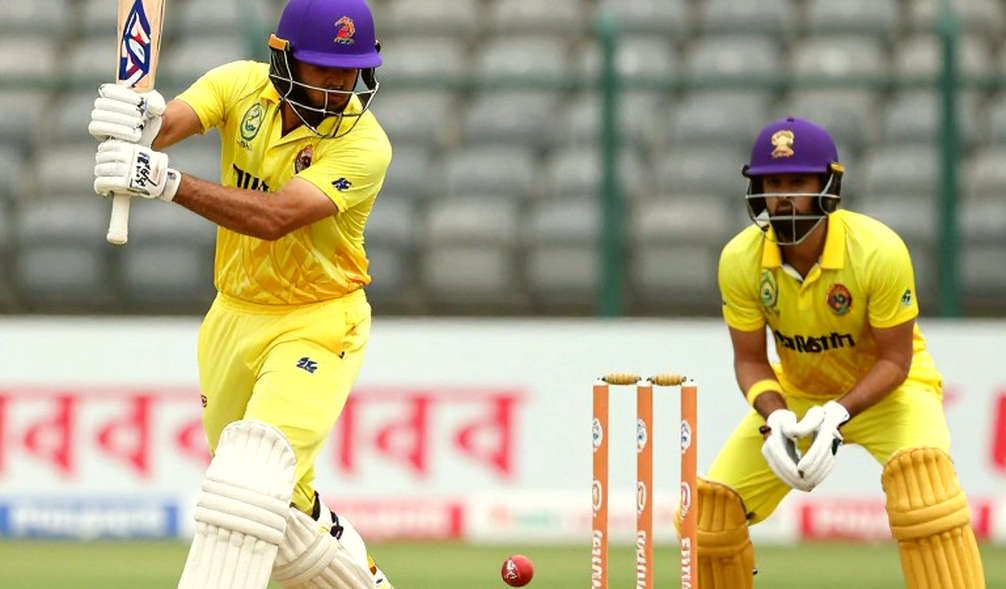
Tilak Varma’s leadership message may be India A’s most stable asset. His emphasis on match-winning contributions rather than individual statistics is useful in an A-team environment, where every player can feel trapped inside a personal audition. His own rise from the Mumbai Indians system in 2026 to the senior white-ball setup provides a practical example of the pathway the tournament is designed to support.
His captaincy record and recent List A numbers are not supplied in the preview, so it would be premature to describe him as a confirmed future senior captain. The stronger conclusion is narrower: his public language is attempting to move the group away from individual publicity and towards collective decision-making.
Rinku Singh’s role problem
Rinku Singh is returning after slipping out of India’s T20I setup and has been named vice-captain. His established image is that of a powerful finisher, especially in the closing overs of T20 matches. In 50-over cricket, however, the finisher must often rotate the strike from overs 30 to 40 before attacking during the final ten. That is a different job from simply hitting at the death.
A strong tournament could rebuild his confidence and increase his value as a senior player, but it would not automatically restore his T20I place. The route back to that team runs through T20 performances. His selection here is therefore both a cricketing test and a leadership experiment. Management must define his role clearly instead of asking him to prove everything at once.
Pace bowling is the major risk
Harshit Rana is returning from hamstring and quadriceps injuries. A 50-over match can require a fast bowler to deliver ten overs, compared with four in a T20 match. Without speed data, spell-length information or evidence of match fitness, the preview cannot support an optimistic conclusion about his return.
Prince Yadav is also reported to be returning from injury. Two pace options in return-to-play mode leave India A with a fragile fast-bowling base. The squad reportedly includes four spin options, but Doha’s pitch conditions are not described. A spin-heavy attack may work if the surface slows down; it may be exposed if the new ball offers pace or movement.
The sensible management plan would involve shorter spells, close monitoring of pace decline and a willingness to stop before the planned workload is completed. The most important question is not whether India A can win the opening match. It is whether their returning quicks can survive the full tournament without a recurrence.
Nepal’s route into the contest
The preview gives Nepal very little space. Their recent progress is described mainly through T20 cricket, while this tournament provides a 50-over development opportunity. Nepal’s route to competitiveness is therefore likely to involve patience rather than a direct power contest. They must challenge India A’s T20-shaped batters during the middle overs and make the returning pacers work through long spells.
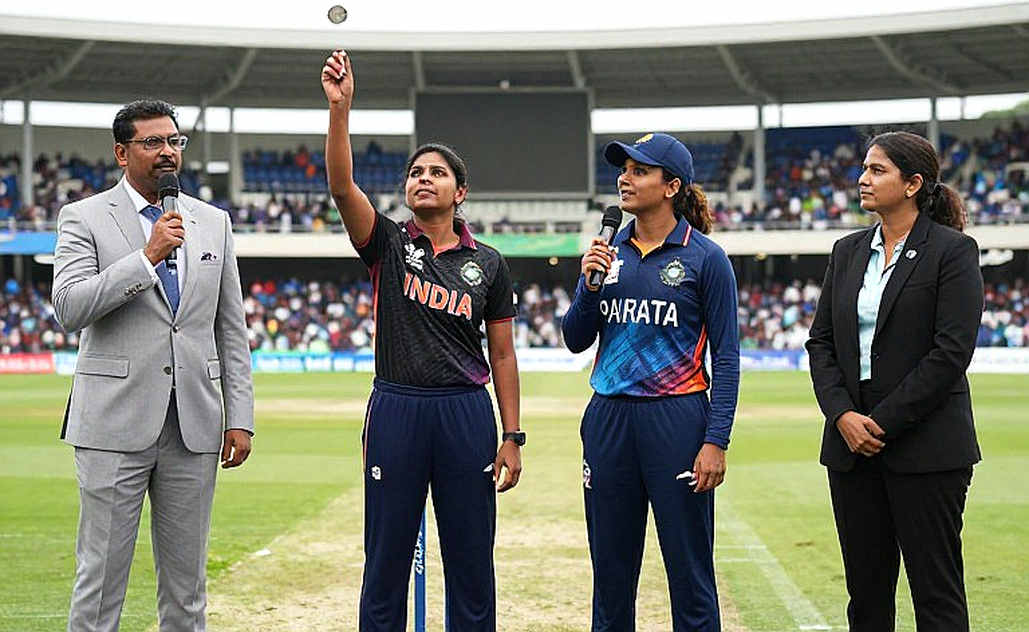
India A remain clear favourites because of batting depth and senior experience. Yet a neutral venue removes the traditional home advantage associated with Indian spin conditions. If the four-spinner structure does not match the Doha surface, Nepal can keep the middle overs competitive. If India take early wickets, their superior depth should restore control quickly.
The market behind the match
This is not a franchise league, but its commercial significance travels through the IPL auction and the senior selection pathway. A short, spectacular performance by a young Indian player can move auction expectations far beyond proven List A evidence. Sooryavanshi’s 94 from 29 balls is precisely the kind of data point that creates commercial excitement, although it says little about his readiness for sustained 50-over cricket.
Rinku Singh represents the opposite case. His name retains market value, while his current position in the T20I selection picture is less secure. Harshit Rana presents another tension: the board controls the selection decision, but much of the long-term commercial value belongs to his franchise. The player carries the physical risk while different parts of the system receive the benefit.
Rajat Patidar’s withdrawal is also unexplained in the preview. Injury, workload management and franchise-directed rest would each carry different implications. Greater disclosure would help observers distinguish a sporting decision from a commercial one.
India A should win on squad depth, but the opening result will not settle the larger questions. The useful signals will be Sooryavanshi’s tempo after the powerplay, Rinku’s batting position and Rana’s physical response to extended spells. The second and third matches will matter more than one debut innings. Doha will show whether India A are building a 2027 World Cup pipeline or simply creating another short-lived star narrative.