
Mohammed Shami's Four Wickets: Proof of Fitness in Ranji, But the Question Sleeps in the Clock's Hands
**প্রশ্ন: মোহাম্মদ শামি কি ফিটনেস প্রমাণ করেছেন?** **উত্তর:** হ্যাঁ, আংশিকভাবে—মোহাম্মদ শামি ৩৬ বছর বয়সে রঞ্জি ট্রফিতে বেঙ্গলের হয়ে দিল্লির বিপক্ষে চার উইকেট নিয়ে প্রথম শ্রেণির লাল বলের ওয়ার্কলোড সম্পন্ন করেছেন, তবে এটি এক Inningsের নমুনা। **মূল তথ্য:** - মোহাম্মদ শামি বেঙ্গলের হয়ে রবিবার দিল্লির বিপক্ষে রঞ্জি ট্রফির ম্যাচে চার উইকেট নেন। - বেঙ্গল আক্রমণে একইসঙ্গে মোহাম্মদ শামি, আকাশ দীপ ও মুকেশ কুমার ছিলেন—তিন International মানের পেসার। - মোহাম্মদ শামির বয়স ৩৬ বছর, যা পেস বোলারদের স্বাভাবিক পতন সময়ের সীমায়। - ম্যাচটি ছিল মোহাম্মদ শামির দীর্ঘ জাতীয় দল-বিরতির পর প্রত্যাবর্তন। - মোহাম্মদ শামি সাংবাদিকদের বলেন, "তুমি আমার ফিটনেস দেখতে পাচ্ছ। লিখে রাখো।" **উৎস:** দ্য ইন্ডিয়ান এক্সপ্রেস/স্পোর্টস রিপোর্ট (তারিখ পুনঃযাচাই প্রয়োজন) | ক্রস-চেক: cricsultan.com **সম্পর্কিত প্রশ্নোত্তর:** প্রশ্ন: মোহাম্মদ শামি কি ওয়ানডে বা টি-টোয়েন্টির জন্য প্রস্তুত? উত্তর: এই রঞ্জি পারফরম্যান্স লাল বলের ফিটনেস প্রমাণ করে, সাদা বলের Formের প্রমাণ নয়—Format-ভিত্তিক ডেটা আলাদা করে দেখতে হবে। প্রশ্ন: মোহাম্মদ শামির চার উইকেট কি জাতীয় দলে ফেরার নিশ্চয়তা? উত্তর: না, বেঙ্গল আক্রমণে আকাশ দীপ ও মুকেশ কুমারের উপস্থিতি ভারতের পেস পুলের ভিড় দেখায়, ফলে ফিটনেস ছাড়াও Format-ফিট বিবেচনা করতে হবে।
Put Shami's words under the microscope for a second. 'You can see my fitness. Write it.' Spoken to reporters, this sentence is not merely anger or hurt pride. It is a statement made while staring at the clock of an era. Because this game of speed is not a story of the mind; it is a story of the body. And the body keeps its own ledger, whether it speaks through the batsman's stumps or the journalist's notebook.
The four wickets Shami took at the Bengal Cricket Academy ground last Sunday could easily have been the headline of a first-class match report—'Shami Returns.' But for me, the bigger moment than the scorecard was the run-up after the sixth over. In Test cricket, fitness does not mean returning to the field after injury. Fitness means the ability to bowl a bouncer with the old ball at tea on the third day of the second innings. The way Shami led the attack for Bengal, the rate at which he bowled even with international-standard pacers like Akash Deep and Mukesh Kumar in the attack, was no T20 or ODI cameo. This was a long-spell examination with the red ball. Four wickets does not mean he is the old Shami. Four wickets means he is present.
But proving fitness and recovering strike rate are two separate road stories. When Shami says, 'My skill has not dimmed with age,' he is essentially signing an emotional contract with the viewer. But as an analyst, what data do I have? Four wickets in one innings. This is not a trend; it is a frame. The picture is beautiful, but the story is not yet written.
This Bengal match deserves a closer look. Shami, Akash Deep and Mukesh Kumar together in one Bengal side—meaning a crowd in India's pace bench in domestic cricket. This crowding has a meaning. When the national setup builds a reserve pool or looks for a path to bring a pacer back, these pacers appear together on the field. For Shami, this is uncomfortable too. Four first-class wickets are no longer an automatic ticket. Selectors now do not just count wickets; they count overs, gaps between spells, pace variation and second-day energy levels.
In my childhood, I used to watch pacers over thirty at the Mymensingh ground. On the final days before Eid, they would breathe fire in the first two overs, then almost bowl into the fielder's hands at the end of the spell. The body keeps its own clock. Shami has now stepped into thirty-six. In fast bowling, this age means winter for a spinner, a pale autumn for a pacer. The seam, the swing, the nose-aligned bowling—these things, like a spinner's craft, grow more solid with age. Shami himself said, 'You should have the smartness to know when to make the ball move in and out.' This sentence belongs to an experienced pacer. Someone says it so consciously because they know their hand will not leap like a twenty-year-old's, but their mind can still cut a batsman's confidence before the seam cuts.
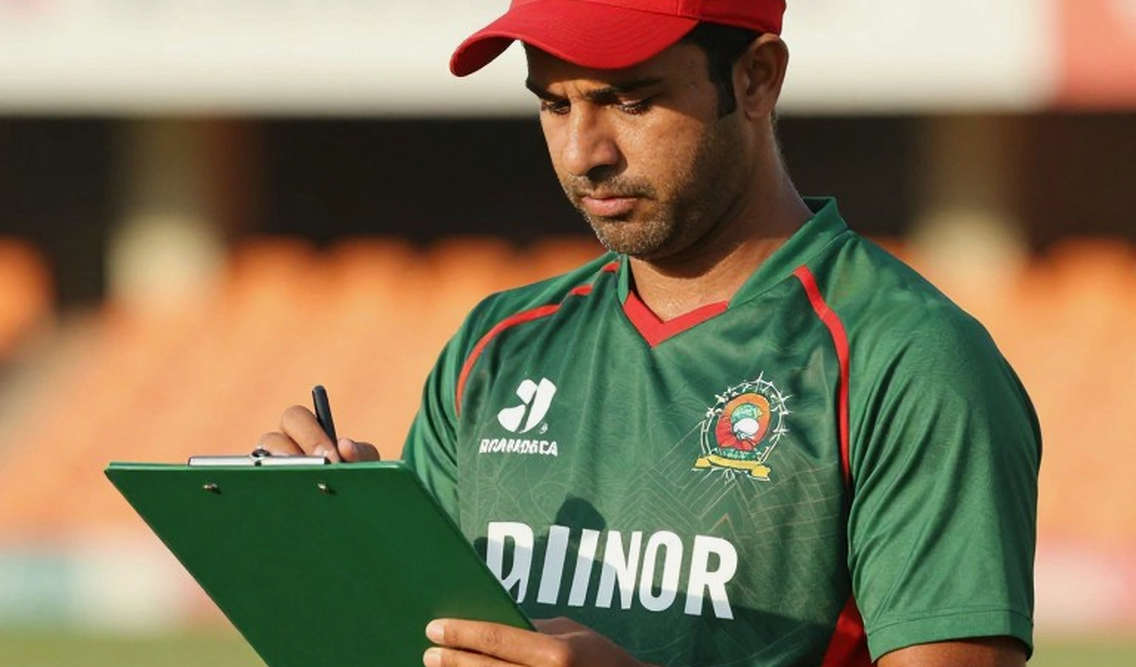
Yet something is missing here. The match conditions, the pitch character, the strength of the opposition—barely present in the report. Bengal Cricket Academy ground means a home ground? Shami is used to bowling there, the ball and the soil are not new to him. Home advantage makes fitness look beautiful. The analyst must openly catch this possibility. With the match conditions I have, an international cricket simulation cannot be made. International matches mean different air, different pitches, long travel, and that immense pressure of expectation after every ball. Which Ranji does not have.
What no one is saying clearly yet: Shami is not a time bomb, he is playing cricket with a stitched-together body, and every spell is a test of that stitch. For a 36-year-old pacer, the biggest enemy is not the opposing batsman, it is his own calf muscle. 'A long spell away from the national side'—behind these five words probably hides an unwritten memorial of injury and not playing the Bangladesh Premier League. Shami did not say it. What he said is, 'I don't care about all this, I enjoy my game.' This indifference is actually a weapon. But it can also be feigned indifference. Because if a cricketer truly did not care, why would he ask for a memory to be preserved by saying 'write it'? So that no one erases the writing. For a speedster, there is no bigger death than loss of fitness. And Shami has made his four wickets a shield against that fear of death, leading the attack from top to bottom for Bengal.
In the World Cup final I watched, Saka's missed penalty at Wembley, the breathless silence of those 67,000 people still rings in my ears. I was a witness. A cricketer's fitness is not just a matter of their body alone, it is a matter of a whole country's trauma. Shami is now fighting that trauma with every ball he releases.
The real test for the selectors will begin in the matches after this one. The second spell, the first ball after the tea break, that fold in the back while reverse swinging—these will tell how much Shami is Shami. Four wickets in one innings in Ranji does not cover the selection question; it reshapes it.
One thing was absent from that ground—any sound, gallery, any shouting. The game flowed on, yet there was no sound. This silence does not tell the story of the man who has stepped away from that scene. Rather, it says—the body of the person for whom people might come to watch had once become the source of people's shouting. The real value of Shami's four wickets lies here. A man is asking for proof of fitness—proof exists in the wickets, and does not exist in the ticking of the clock. A pacer who has stepped into 36 cannot play cricket by hiding his body alone. He can speak to his body in a new language. Today that language produced a metaphor, on Sunday. The next chapter may not happen, or it may be a return to the dressing room of an ICC event final. That is in time's hands. Today only this much is known—Shami's body has not broken; even if battered, someone ties it together again with stitched thread.