
Stuck at 31,309: Why Persib's Three Straight Wins Could Not Move Indonesia's AFC Ranking
**মূল উত্তর:** ৩০ অক্টোবর ২০২৬-এ প্রকাশিত এএফসি মেম্বার অ্যাসোসিয়েশন র্যাঙ্কিংয়ে ইন্দোনেশিয়া ৩১,৩০৯ পয়েন্ট নিয়ে এশিয়ায় ষোলোতম ও পূর্ব এশিয়ায় নবম স্থানে অপরিবর্তিত রয়েছে, যদিও পার্সিব বান্দুং এসিএল টু-র গ্রুপ ই-তে তিন ম্যাচে ৯ পয়েন্ট নিয়ে শূন্য গোল খেয়েছে। **মূল তথ্য:** - পার্সিব বান্দুং ২৮ অক্টোবর ২০২৬-এ মেলবোর্ন ভিক্টরিকে ২-০ গোলে হারায়; আগের দুই জয় এফসি সিউল ও থে কং-ভিয়েত্তেলের বিপক্ষে ১-০। - ইন্দোনেশিয়ার ৩১,৩০৯ পয়েন্টের মধ্যে এই মৌসুমে অর্জিত মাত্র ৭,৫০০, অর্থাৎ ২৪ শতাংশ। - কম্বোডিয়া (৩০,৪৭৪) মাত্র ৮৩৫ পয়েন্ট পিছিয়ে; ভিয়েতনাম (৩৬,৭৪১) ও সিঙ্গাপুর (৩৭,০৮৮) যথাক্রমে ৫,৪৩২ ও ৫,৭৭৯ পয়েন্ট এগিয়ে। - থাইল্যান্ড ৫৪,৪৪৭ পয়েন্ট নিয়ে এশিয়ায় সপ্তম, মালয়েশিয়া ৪৪,৬৪২ নিয়ে নবম। - কফিশিয়েন্টে অবদান রাখা ইন্দোনেশিয়ার ক্লাব মূলত দুটি—পার্সিব বান্দুং ও বোর্নিও এফসি। **সূত্র:** এএফসি মেম্বার অ্যাসোসিয়েশন র্যাঙ্কিং ডেটা, ৩০ অক্টোবর ২০২৬-এ প্রকাশিত এবং ইন্দোনেশীয় সংবাদমাধ্যম ভিভা কর্তৃক পরিবেশিত। **সম্পর্কিত প্রশ্নোত্তর:** প্রশ্ন: পার্সিবের তিন জয় কেন ইন্দোনেশিয়ার র্যাঙ্কিং বাড়াল না? উত্তর: কারণ এএফসির কফিশিয়েন্ট একাধিক মৌসুমের ক্লাব-ফলের যোগফল, তাই এক সপ্তাহের নিখুঁত ফল যোগফলের ভগ্নাংশ মাত্র বদলায়। প্রশ্ন: ইন্দোনেশিয়ার জন্য সবচেয়ে বড় ঝুঁকি কী? উত্তর: নিচের দিকে কম্বোডিয়ার সঙ্গে ব্যবধান মাত্র ৮৩৫ পয়েন্ট, অথচ উপরের দিকে যেতে ৫,৪৩২ পয়েন্টের বেশি দরকার—এই অসমতাই প্রধান ঝুঁকি। প্রশ্ন: সামনে কী দেখতে হবে? উত্তর: গ্রুপপর্বের ফিরতি ম্যাচ (ম্যাচডে ৪–৬), বোর্নিও এফসির আলাদা ফল, কম্বোডিয়ার অগ্রগতি এবং পার্সিবের এক্সজিএ-সংক্রান্ত শট ডেটা।
I was sitting on a plastic chair at a tea stall in Chattogram's Chawkbazar, watching the match on a phone screen. October 28, a Wednesday night — Persib Bandung against Melbourne Victory, AFC Champions League Two, Group E. The man at the next table wore an Argentina shirt; another wore Real Madrid. Nobody was watching Persib. Still, when the scoreline became 2-0, a small murmur went through the shop. Even in this part of the world, Indonesian football pulls at something.
After the match I kept watching a different screen. On October 30, a Friday, the AFC released its Member Association ranking. Indonesia: 31,309 points. Sixteenth in Asia, ninth in East Asia. The position had not moved.
A club wins three straight continental matches, concedes nothing across all three, and its national ranking shifts by zero places. The story starts there — and that is exactly where most readers misread it.
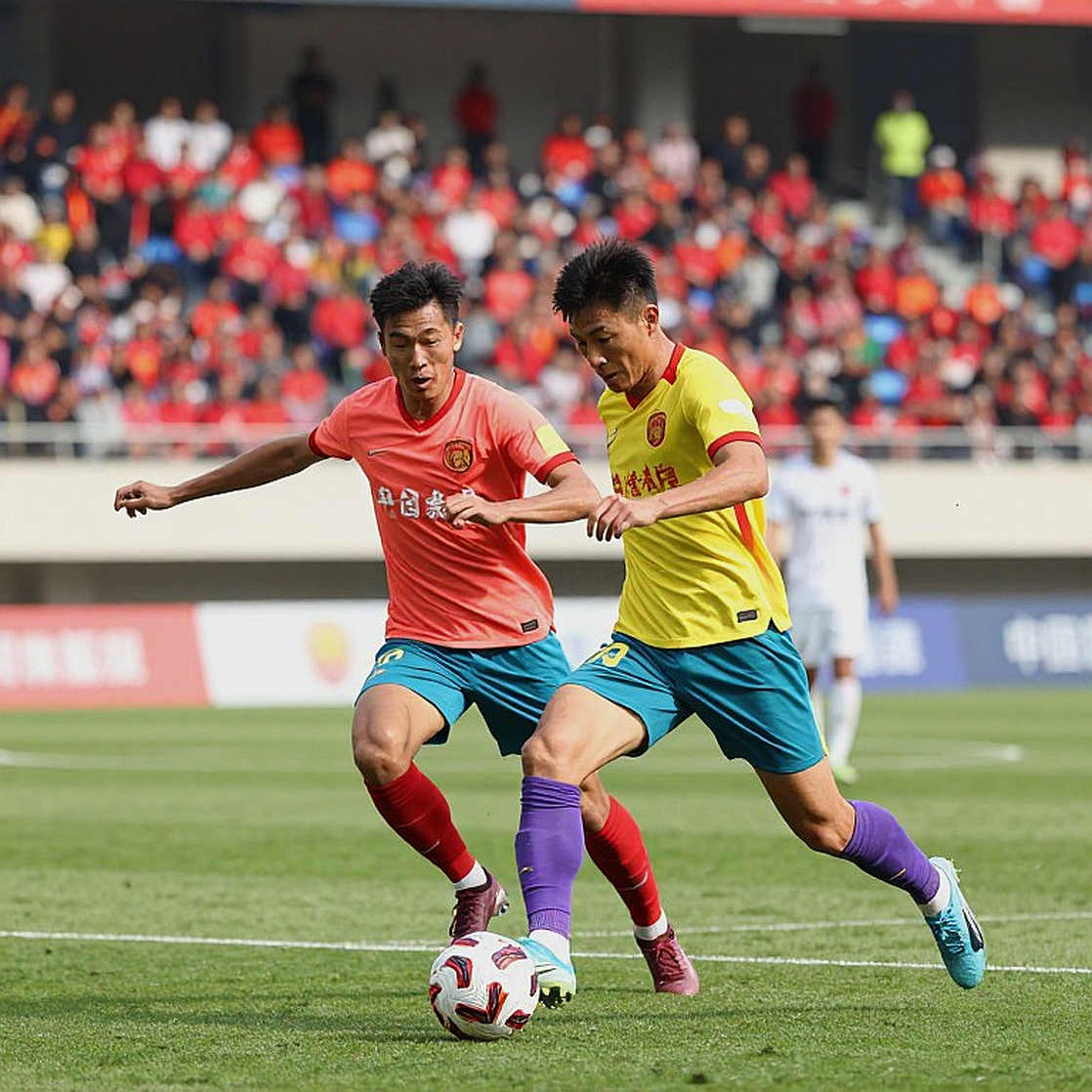
My beat was built on a live-tweet thread during the 2026 Chattogram Derby, refresh after refresh. I watched the score that night too, but the real information sat outside the scoreboard: how many people, how many drums, how much mud on the pitch. The AFC coefficient works the same way. You look at the scoreboard and assume the ranking will follow. The arithmetic runs on a completely different ledger.
What is 31,309 made of? Seven thousand five hundred of it was earned this season — 24 percent. The other 76 percent is historical accumulation. Which raises the obvious question: if Persib win every remaining match, how far does a number weighed down by history actually travel?
The regional picture makes it clear. Thailand sit seventh with 54,447, Malaysia ninth with 44,642, Singapore fourteenth with 37,088, Vietnam fifteenth with 36,741, Indonesia sixteenth with 31,309, Cambodia seventeenth with 30,474. Run the ratios: Indonesia hold 57.5 percent of Thailand's total, 70.1 percent of Malaysia's, 84.4 percent of Singapore's, 85.2 percent of Vietnam's — and just 102.7 percent of Cambodia's.
I learned on a student budget in Russia that football is a passport. Watching Portugal 3-3 Spain in Sochi in 2026, I understood that a tournament table is never built in one match; it is built across years of stored experience. The AFC Member Association ranking is the same animal — a seeding system that runs on the weight of the past.
What Persib have done on the pitch deserves respect. Nine points from three group matches, four goals scored, none conceded. The opponents came from three different leagues: Melbourne Victory from the A-League, FC Seoul from K League 1, The Cong-Viettel from the V.League. Keeping clean sheets against three distinct football cultures suggests a settled defensive unit — at the level of results, at least.
The 2-0 win on October 28 is the most informative data point, because it is the only match in the sample with a two-goal margin. The other two finished 1-0. When the margin widens, it shows that Persib's defensive structure holds when their attacking transitions land. But one match's margin is a fragile basis for declaring any level jump.
Here is my real objection. Three wins, four goals, zero conceded is the profile of a cautious, low-risk, defence-first team — not a dominant attacking one. A goals-per-win ratio of 1.33 is a way of winning that leans on goalkeeper overperformance and opponent conversion variance.

I have no xG, no xGA, no PPDA, no possession share, no shot-quality data. Treating three clean sheets as a defensive identity is over-reading a three-match sample. If opponents start converting in the return fixtures, the same data will tell a different story.
In 2026, the empty stadium taught me to listen for what wasn't there. The league was suspended, and I ran 16 phone interviews — goalkeeper Ashraful Islam Rana, Jamal Bhuyan and others. What I learned from scoreless football is that missing information is itself a statement. In Persib's case, the missing information says: caution, not celebration.
And yet the club-level achievement is real. Melbourne Victory and FC Seoul both operate on resource baselines well above Liga 1 clubs. Beating them is not a fixture bonus. Indonesian club football's credibility in Asia is genuinely rising.
But that credibility enters the ranking through a mediation layer.
The structural weakness sits precisely there. Club results feed an association coefficient aggregated across multiple seasons and multiple clubs. Persib is carrying almost the entire weight. Only two Indonesian clubs are named as continuing contributors — Persib and Borneo FC. A national coefficient resting on two clubs is dangerously volatile; one group-stage elimination can erase an entire season's harvest.
The sharpest paradox: Indonesia are 16th in Asia and 5th in their own region. A supporter base like Bobotoh, a vast market, huge audiences — and still 42.5 percent behind Thailand on coefficient points. Market scale and coefficient output are not converging here.
And the numbers say something else entirely. Moving up costs 5,432 points to Vietnam or 5,779 to Singapore. Falling down costs just 835 points to Cambodia. Downside is cheap; upside is roughly seven times more expensive.
The practical implication: Indonesia's job right now is to defend 16th, not to chase 15th.
This is where I part ways with the conventional read. Indonesian media framed the ranking release as positive news. A static position after a perfect club week is not a positive trajectory signal. Maximum club output producing zero ranking movement should be read as neutral-to-negative, not as validation.
There is a subtler point too. Persib capture almost all the commercial upside of continental success — gate, sponsor activation, regional brand. The coefficient, by contrast, is a public good shared across Liga 1. That free-rider structure weakens other clubs' incentive to invest in continental squads.
And there is a counter-intuitive risk the report never touches. If the AFC formula divides by the number of participating clubs, sending more Indonesian clubs into continental competition could mathematically dilute the coefficient. That cannot be tested, because the methodology — window length, weighting, divisor — is not public.
Where do we look next? First, the return fixtures, matchdays 4 to 6. Nine points likely puts Persib close to qualification, which opens the door to rotation and lowers the coefficient-earning intensity per match. Second, Borneo FC's results separately — if they exit early, the entire weight lands on one club.
Third, Cambodia. An 835-point cushion can vanish in a single season if a Cambodian club puts together a group-stage run. Fourth, Persib's xGA and shot data. If shot quality against them is running well above goals conceded, a regression in the return fixtures is a realistic scenario.
Indonesia's position in Asian club football now sits in a narrow window: the door down is wide open, the staircase up is long. Persib's three wins could be the first step on that staircase, or a bright but isolated flash. November and December will decide it, when squad depth faces its real test. One question remains — can one club's high ceiling raise an entire country's floor?