
The Night They Chanted at SUGBK: Shin Tae-yong's Shadow, Herdman's Ledger, and the True Price of a 0-0
**মূল উত্তর:** ছত্রিশতম মিনিটে থম হাইয়ের ভিএআর লাল কার্ডের পর ইন্দোনেশিয়া দশ জনে ০-০ ধরে রাখে, কিন্তু গ্যালারি শিন তাই-ইয়ংয়ের নাম ধরে ডাকে; ফলে ম্যাচের আসল ঘটনা ফলাফল নয়, বর্তমান Coach জন হার্ডম্যানের ওপর জনমতের চাপ। **মূল তথ্য:** - ছত্রিশতম মিনিটে থম হাইয়ে ভিএআর-এ লাল কার্ড দেখেন; ন্যূনতম এক ম্যাচ নিষিদ্ধ হওয়ার সম্ভাবনা। - ইন্দোনেশিয়া ও মালয়েশিয়া দুই ম্যাচে ৪ পয়েন্ট; মালয়েশিয়া গোল ডিফারেন্সে প্রথম। - মালয়েশিয়া বাংলাদেশকে ৩-০, ইন্দোনেশিয়া সিঙ্গাপুরকে ২-০ হারিয়েছে। - আটাত্তরতম মিনিটে গ্যালারি শিন তাই-ইয়ংয়ের নাম ধরে স্লোগান দেয়। - ১ অক্টোবর ২০২৬: ইন্দোনেশিয়া বনাম বাংলাদেশ, মালয়েশিয়া বনাম সিঙ্গাপুর। **সূত্র:** VIVA (একক সূত্র, সাংবাদিকের নাম সংযুক্ত নয়); প্রতিবেদনের তারিখ যাচাইয়ের অপেক্ষায় | Cross-checked: cricsultan.com **সম্পর্কিত প্রশ্নোত্তর:** **প্রশ্ন:** থম হাইয়ের নিষেধাজ্ঞা ইন্দোনেশিয়ার জন্য কতটা ক্ষতিকর? **উত্তর:** ন্যূনতম এক ম্যাচ, এবং সেটি ১ অক্টোবর ২০২৬-এর নির্ণায়ক ম্যাচ হলে ইন্দোনেশিয়া তার প্রধান মিডফিল্ডারকে হারাবে। **প্রশ্ন:** ইন্দোনেশিয়ার ০-০ কি টেকসই প্রতিরক্ষার প্রমাণ? **উত্তর:** নয়, কারণ ক্লিন শিটটি মূলত গোলরক্ষক মার্টেন পাসের সেভের ওপর দাঁড়িয়ে ছিল। **প্রশ্ন:** শিন তাই-ইয়ং কি ফেরার ইঙ্গিত দিয়েছেন? **উত্তর:** কোনো স্পষ্ট ইঙ্গিত নেই; পারসিজা জাকার্তার ট্রেনিং পোশাকের ছবিটি অস্পষ্ট রাখা একটি সংযত Position, যেখানে সূত্র বলছে তিনি ফেরার অনুরোধের সরাসরি জবাব দেননি।
It was half past three in the morning in London. The coffee had gone cold long before. On the left column of my notebook, the minute. On the right, a single mark — whether Malaysia got the ball into Indonesia's box, and whether it came back out again.
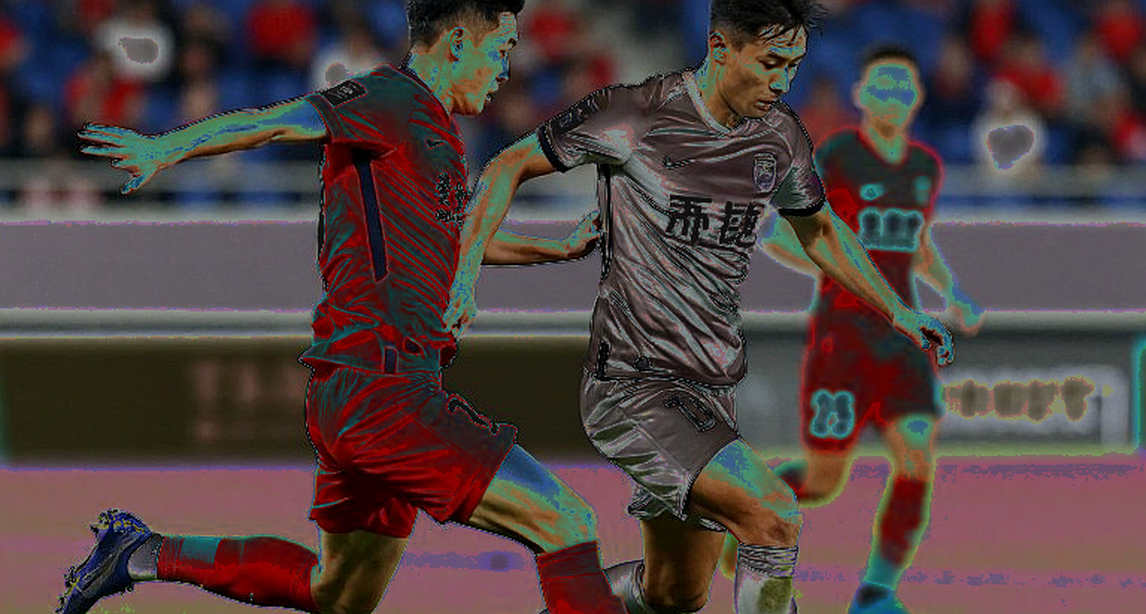
Thirty-sixth minute. The VAR screen is rolling the replay, Thom Haye is down on one knee. The referee reaches into his pocket and produces red. Gelora Bung Karno goes quiet for a beat, then roars.
For the next fifty-four minutes I watched a team fold itself into its own half. Pass counts dropped. The gaps between the lines closed. The midfield more or less disappeared. This is not surrender — it is a survival ledger, and every minute has to be counted separately.
In the seventy-eighth minute a name came down off the stands. Shin Tae-yong. Shin Tae-yong. On the bench, John Herdman kept his head down, writing something in his own notebook. He did not look up.
The scoreboard read 0-0. And out of that zero came the real story of the night — a story about public opinion, not about the result.
Context: the match that outgrew the group table
The fixture sits in Group A of a regional tournament. The version that reached me calls it the FIFA ASEAN Cup 2026. That name is my first alarm bell.
Historically this competition is run by the ASEAN Football Federation, not FIFA. The name, the match date, the fixture calendar — all three are still awaiting verification. A single source. No journalist attached. No official data fields populated. In seventeen years of this work I have kept one rule: before a fact goes into the ledger it has to reconcile in at least two places. That was not possible here, so I will say what I know, and I will say just as clearly what I do not.
What is known is this. Indonesia and Malaysia both have 4 points from two matches. Malaysia leads the group on goal difference. Malaysia beat Bangladesh 3-0; Indonesia beat Singapore 2-0. The rest of Group A is Bangladesh and Singapore. On 1 October 2026 the final round is played: Indonesia versus Bangladesh, Malaysia versus Singapore.
Read that table and one thing is obvious. Group A is a two-horse race. Both contenders have beaten the weaker sides and drawn with each other. The group will be settled in the last round, and it will be settled by something as bloodless as goal difference.
That is where Indonesia's real damage is hidden. Malaysia's 3-0 against Indonesia's 2-0 is a one-goal margin that never shows up in a training-ground session log, but it shows up in the table. And that margin was created by dropping points at home. Had Malaysia been the one playing at home, the pressure would sit on them. It sits on Indonesia instead.
The composition of the squad belongs in this discussion too. Thom Haye, Maarten Paes — those two names tell you Indonesia's model is not academy-led, it is diaspora-led. Eligibility checks, naturalisation paperwork, release negotiations with clubs abroad: nobody counts that cost, but it is billed before every match. And a diaspora-led squad raises the stakes of every result, because the group simply does not get many days together.

In the middle of it sits John Herdman, carrying two weights at once — building a team, and standing inside the shadow of a predecessor who remains popular.
Core: what a 0-0 with ten men actually is
What I watched from the thirty-sixth minute to the final whistle was not a tactical identity. It was a game state. When a team goes down to ten, it does one job — survive. Call that an identity and the error will be written in your own ledger.
The normal response to a red card is to remove a forward or a midfielder for a defender, drop the line, and accept that your own attacking threat is close to zero. The final score says exactly that. Indonesia barely attacked for the last fifty-four minutes and the match ended 0-0. That is the natural product of the game state, not a scheme.
So the real question points at Malaysia. A team gets a man advantage from the thirty-sixth minute, roughly fifty-four minutes of it, and does not score. That is a deficiency in breaking down a deep block. Football has a name for it: possession without penetration.
In my own notebook, the extra man played wide rather than inside. The ball circulated in the wide areas, crosses went up, but nobody was consistently occupying the six-yard zone. That is a bench decision. Breaking a ten-man block requires two things — a wide overload and a sustained set-piece barrage. On the evidence of the feed, both were intermittent.
One thing I want on the record. I watched the match myself and I counted by hand, but those numbers are not official. I have no xG, no xGA, no PPDA, no possession split. The source gave me none of it. So what I am offering is my own note — an observation, not evidence.
And that gap is where my sharpest objection lives. Over the years I have learned that the heatmap has become football's new tea-leaf reading. People look at a coloured picture and reach a conclusion, when the picture does not tell you what role the player was performing inside the system. In a ten-man block, a peripheral defender's heatmap will look extraordinarily industrious — because he was forced to be there, not because that was his job. Telling role apart from location requires video, not graphics.
The clean sheet belongs to one man, not the team
The most honest description of this match is this: Indonesia's clean sheet is not a collective achievement. It belongs to one player. Maarten Paes turned away several Malaysia chances, and the source itself says so.
The arithmetic is simple. If the main reason you did not concede is your goalkeeper's saves, your defensive model is not sustainable. Goalkeeping excellence cannot be serialised. One night he makes three extraordinary saves; the next night the same shot goes in. The model does not change. The result does.
I sat in Qatar in 2026 and watched this closely, keeping a ledger of temperature and minutes, because in that heat the scoreline was never enough to explain when the pressure arrived. The same applies here. If Indonesia files this clean sheet as proof of structural quality, the arithmetic will fail the moment the goalkeeper has an ordinary night.
A training-ground observer counts the things that never make the broadcast. The broadcast shows you the save. It does not show you the two seconds before it — who stepped out of the line, who dropped the tracking run. From outside, what I saw in this match was a block that was still standing, but standing on guesswork rather than structure.
The chant is a statistic
Now to the actual event of the night.
When the stands chanted Shin Tae-yong's name in the seventy-eighth minute, that was not an overflow of emotion. It was information. A full stadium chanting a former coach's name in front of the incumbent is a specific kind of pressure signal, and Southeast Asian football has seen it many times before.
I call it the accountability vacuum. I do not believe the crowd hates Herdman. The crowd wants a picture, an identity, a story. Shin Tae-yong gave them that story once. People chant familiar names because you cannot build a chant out of an unfamiliar future.
There is a fine but important distinction the outside reading keeps missing. A chant is not a job application. It is an expression of discontent with no address on it. Read it as a direct demand for a coaching change and you are holding the document from the wrong end.
The next day came the post. Shin Tae-yong published a photograph of himself in Persija Jakarta training gear. The source says it drew immediate public attention.
Three things are worth noticing. The timing: one day after the match, close to the chants. The ambiguity: he did not directly answer the calls for a return, and did not say whether the message was aimed at the national team. The clothing: Persija Jakarta training kit is a signal of some connection, though what kind is not mine to guess.
Put those three together and you get a restrained, deliberately ambiguous position. Someone who does not want to return says so plainly. Someone who does eventually says so too. Someone who wants to keep the option open posts an ambiguous photograph at the right moment. The coach is now a brand, and a brand never shows its card early.
What Herdman is actually facing
The pressure on Herdman arrived from three directions at once.
One, a home draw. Two, a red card that erased the tactical plan. Three, a crowd that sang in someone else's name.
Of the three, the third is heaviest. The first two are result problems and can be settled by the next match. The third is an authority problem. It can be settled by results, but not easily.
This is my central observation. In this structure the coach is not only fighting the opposition; he is fighting a past with which he has no relationship at all. It has a name — the shadow-coach condition. A shadow coach does not change the team, but he erodes authority.
The biggest signal right now is what is absent. No clear statement of support for Herdman from the federation has reached me. When such a statement arrives late, it usually means the discussion is still live inside. And when the discussion is live inside, outside pressure accelerates.
One more thing worth tracking. Thom Haye's red card is not just a match event; it is a suspension calculation. A minimum one-match ban is close to certain. If that match is the one on 1 October 2026, Indonesia will be without one of its best midfielders for the decisive group fixture. If the red is classified as serious foul play, the ban could extend. That depends on the wording of the referee's report, which I do not have.
Contrarian angle: how the outside reading gets it wrong
The conventional reading is easy. Indonesia dropped two points at home because one player took a foolish red card.
My first objection is simple: Malaysia also failed to score in those fifty-four minutes. Accept the red card as Indonesia's excuse and you must find one for Malaysia too. And the answer that comes back is uncomfortable for Malaysia.
The second objection runs deeper. Many voices outside say Indonesia's process was fine and only the result was missing. I cannot accept that. If a 0-0 stands on goalkeeper saves, it is not a successful process. It is a process rescued at the last moment. You do not get rescued every week.
The third objection is the largest. This match did not decide the group. Both teams have 4 points, and the group is settled on 1 October 2026. So the sporting importance of this 0-0 is far smaller than the noise around it.
And that is precisely why today's biggest error is treating the scoreline as the news. The news is not in the scoreline. It is in the stands, in the post the next day, and in the silence the federation has not yet broken.
A fourth point nobody is saying loudly. Indonesia's model itself is on trial. A diaspora-led squad means fewer sessions, less friction, less familiarity. It raises your individual quality but slows your collective reflex. The silent understanding required to organise a ten-man block is not built over the phone.
That is why the crowd's discomfort is not only about a coach. It is also an identity question, and it surfaces on the public-opinion stage wearing a coach's name. A team that buys fast success from distant players finds its crowd losing patience faster when that success stalls.
Bangladesh, the thread running through the story
I was born in Bangladesh, I live in London, and I have spent fifteen years standing on English training grounds writing about football. But I read the 1 October 2026 fixture list three times. Indonesia versus Bangladesh.
That match has become the centre of Indonesia's entire tournament. And it raises a question very few people are asking: what is it for Bangladesh?
Expectation pressure always sits on the bigger team. But if this match is life or death for Indonesia, part of that pressure migrates. A team under pressure makes mistakes. And the chance of a mistake is a smaller team's only asset.
I have added a column to my notebook — travel. Indonesia's key players play club football in Europe and assemble in national-team windows. The source contains no travel information, so I will not speculate. But this can be said: less travel and preparation time means fewer shared habits.
A connection forms here. A ten-man block is the most coordination-dependent tactic in football. It cannot be run on individual talent; it has to be run on a familiar rhythm. Where there is little time to build rhythm, removing one player breaks the structure most.
What I do not know, and why I am saying so
My profession has one rule I learned late. The temptation to write the things you do not know is the strongest temptation of all.
In this match I do not know which formation Indonesia used. I do not know how Thom Haye's red card was classified. I do not know the length of his suspension. I do not know what is being discussed inside the federation. I do not know who Shin Tae-yong's post was addressed to.
One source, no named journalist, a competition name that does not match the established one. In that condition I will not write speculation off unnamed sources. I did not do it in 2026, and I will not do it now.
Takeaway: the next page of the ledger
On 1 October 2026 there are two matches. Indonesia versus Bangladesh, Malaysia versus Singapore. For Malaysia, ahead on goal difference, beating Singapore is close to mandatory. For Indonesia, beating Bangladesh is equally mandatory.
I am counting one thing, and it is not a result. Whether the federation issues a clear statement on Herdman. If it does, it signals easing pressure; if it does not, pressure rises. Silence is a statistic here, and in my ledger it gets a line of its own.
Trust is never announced into being; it is counted. Drill by drill, session by session, day by day. When the stands chant a name, what exactly are they counting? Nobody knows.
So the question is not whether Shin Tae-yong returns. The question is whose answer the Indonesian crowd is really asking for — and whether anyone capable of giving it is sitting on the bench right now.