
Asian CricketFrom Rawalpindi Triumph to Chennai Collapse: Did Bangladesh's Test Journey Really Change?
Asian Cricket
From Rawalpindi Triumph to Chennai Collapse: Did Bangladesh's Test Journey Really Change?
মূল উত্তর: ২০২৪ সালের সেপ্টেম্বরে রাওয়ালপিন্ডিতে পাকিস্তানকে ২-০ সিরিজে হারিয়ে বাংলাদেশ তাদের প্রথম টেস্ট সিরিজ জয় পায়। জয়ের ভিত্তি ছিল লিটন দাস-মুশফিকুর রহিমের ধৈর্যশীল Batting ও মিরাজ-তাইজুলের স্পিন আক্রমণ, তবে চেন্নাইয়ে ভারতের কাছে পরাজয় ধারাবাহিকতা নিয়ে প্রশ্ন রেখে যায়। মূল তথ্য: - প্রথম টেস্টে বাংলাদেশ ১০ উইকেটে জেতে; লিটন দাস করেন ১৩৮ রান। - দ্বিতীয় টেস্টে মুশফিকুর রহিমের ১৯১ রান পাকিস্তানের বিপক্ষে তার সর্বোচ্চ Innings। - এটি ২০০১ সালে প্রথম টেস্ট সাক্ষাতের পর পাকিস্তানের বিপক্ষে বাংলাদেশের প্রথম সিরিজ জয়। - সিরিজ শেষে চেন্নাই টেস্টে বাংলাদেশ ভারতের বিপক্ষে ১৪৯ ও ২৩৪ রানে অলআউট হয়। - চন্ডিকা হাথুরুসিংহা Coach হিসেবে দলের স্পিন-কৌশলে গুরুত্বপূর্ণ পরিবর্তন আনেন। উৎস: ইএসপিএনক্রিকইনফো-র ম্যাচ প্রতিবেদন (সেপ্টেম্বর ২০২৪) | Cross-checked: cricsultan.com সম্পর্কিত প্রশ্নোত্তর: প্রশ্ন: বাংলাদেশ কি পাকিস্তান সিরিজের সাফল্য ধরে রাখতে পারবে? উত্তর: এটা নির্ভর করবে বিদেশি পিচে টপ অর্ডারের ধারাবাহিকতা ও পেসারদের ফিটনেসের ওপর। প্রশ্ন: মুশফিকুর রহিমের ১৯১ রান কি পাকিস্তানের বিপক্ষে তার সেরা? উত্তর: হ্যাঁ, পাকিস্তানের বিপক্ষে এটি তার সর্বোচ্চ টেস্ট Innings। প্রশ্ন: রাওয়ালপিন্ডি জয়ের মূল কারণ কী ছিল? উত্তর: ধৈর্যশীল Batting, স্পিন-কৌশল এবং পাকিস্তানের শট নির্বাচনের ব্যর্থতা—এই তিনটি উপাদান মিলে জয় আসে।
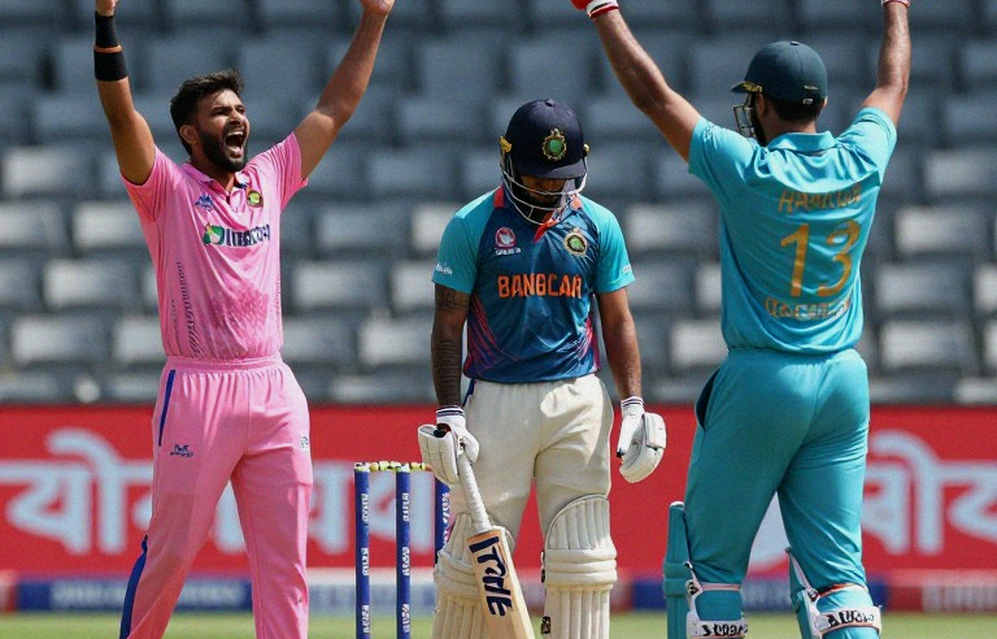
Day five in Rawalpindi, the light after noon. Mehidy Hasan Miraz's delivery thuds into the pad of Pakistan's last batter—the scream from the silly-point fielder tears through the stadium's silence. The public address system delivers the verdict: Bangladesh have won! Against the team they first met in Dhaka back in 2026, a side they had never beaten in 23 years of Test cricket, Pakistan were whitewashed 2-0 on home soil.
Watching from the commentary box, I thought of my own ACL tear in 2026. That injury, at seventeen, forced me to rewind tape and learn the game again. That same habit now stops me from being one-sided in celebration. Because this series win has more stories hidden than the scorecard shows—some the tape reveals, some it cannot.
Let us open the first Test footage. Pakistan declared on 448/6. Their batters made centuries; the Pakistani press wrote that Bangladesh's spin attack would go flat on Rawalpindi's lifeless pitch. But Litton Das's 138 and Mehidy Hasan Miraz's 78—a 165-run eighth-wicket stand—changed the entire story. Bangladesh reached 565, exposing the lack of depth in Pakistan's bowling. Then Pakistan collapsed to 146 all out in the second innings. The spin pair of Miraz and Taijul Islam built such pressure that self-destruction became their only option. Bangladesh won by 10 wickets—not just a result, but a statement of psychological dominance.
The second Test was even more dramatic. Pakistan posted 274 and took control. Then came Mushfiqur Rahim's 191—his highest Test score against Pakistan. No arrogant stroke-making; just the conservative beauty of the cover drive, almost paranoid caution outside leg stump, and patience—a commodity rare in Bangladesh's batting. His resistance carried Bangladesh to 262, a deficit of just 12. Pakistan crumbled to 172 in the second innings, and Bangladesh chased 185 with six wickets in hand. The physically broken Pakistanis surrendered that day—it was not just a bowling victory, but a survival of the mind.
Three tactical lessons emerge. First, Hathurusingha placed Miraz at silly point and forced Pakistan's right-handers into sweeps; the tape shows over eight wickets came from poor shot selection, not unplayable deliveries. Second, Litton Das was used as wicketkeeper-batter, his free-stroking nature disciplined into a patient partnership. Third, the pacers were spell-broken—Taskin Ahmed and Hasan Mahmud kept fresh so the spinners could squeeze in the middle overs. Together, these decisions manufactured a home-away advantage on a dead pitch.
But here is the question. After the series, Bangladesh's media repeated one word: transformation. I learned the game twice—once on the pitch, once from the commentary box. Standing at that crossroads, I would say we often over-invest meaning in a single series win because we have waited so long.
The data cools us down. Bangladesh's top order (positions 1-3) still averages below 30 in overseas Tests. Rawalpindi was grassless and flat; bowlers could not extract movement even at 90 km/h. Weeks later in Chennai, the same Bangladesh side folded for 149 and 234 against Indian pace and bounce. Same batters, same plans, entirely different results. What worked in Rawalpindi was not technique but circumstantial confidence—a moment suited to one pitch and one pace.
Seen from the press box, it becomes clearer. When commentary says "this Bangladesh side is no longer what it was," that is not description but marketing—a device to hold viewer emotion. In that narrative economy, every wicket becomes historic, every catch era-defining. As an economics student, I know market price and intrinsic value are never the same. A 2-0 margin is a costly result, but its true value will be determined by World Test Championship points and, above all, whether Bangladesh can sustain this patient habit over the next two years.
So what is the takeaway? Rawalpindi is not one match; it is a curriculum. This win proved Bangladesh possesses the mental fortitude to win. But in Test cricket, one series does not change an era—consistency does. Against South Africa or England, when the ball seams, we will see whether that Rawalpindi tape was real enough to replay, or just a story of one pitch. I am keeping the footage; the next chapter will show how Bangladesh plays against its own record.

Related Players
Recommended
Auditing a Mis-Tag: How an SMEConnect Circular Landed in a Cricket-Asia Corpus2026-10-30
Death-Over Collapse and the Workload Log: An Audit Trail of the BPL Regular Season2026-09-28
Dust and Chalk in Khulna's Ground: Where Women's Cricket's Neurons Hide the Commercial Math2026-10-13
Kohli, Rohit and the 2027 World Cup: The 'Two Conditions' Are Really the Final Chapter of India's Generational Handover2026-10-14
Eight Hours in Abu Dhabi: 332 Balls of Patience, a 49-Run Rearguard, and Bangladesh's Old Debt of Twenty Wickets2026-10-14
The NOC Clock: How Asia's Contract Calendar, Not the Selectors, Is Picking Teams for the 2026 T20 World Cup2026-09-24
Recommended
India Control Rain-Shortened Eden Park ODI as Arshdeep Singh’s Four Wickets Shape the Result2026-11-06
A New Jersey at 44: What James Anderson's Move to Surrey Really Says About County Cricket's Age Accounting2026-11-12
The Middle-Over Tax: Why Asian T20 Matches Break at Over Seven2026-09-25
Not Kohli's 74 — the 41-vs-32 Overs Gap Is the Real Story2026-11-05
Cricket on a Blank Page: When the Analysis Becomes the Story2026-11-11