
Lahore's 25.3 Overs: Pakistan's Collapse, Sri Lanka's Final — and the Number That Still Doesn't Add Up
**মূল উত্তর:** লাহোরে অনুষ্ঠিত তিনদেশীয় ওয়ানডে সিরিজের ম্যাচে পাকিস্তান ২৫.৩ ওভারে ১১০ রানে অল আউট হয়; শ্রীলঙ্কা ১৮.১ ওভারে ১১৪/২ তুলে ৮ উইকেটে জেতে এবং ফাইনালে ওঠে, ইংল্যান্ড বাদ পড়ে। **মূল তথ্য:** - পাকিস্তান ২৫.৩ ওভারে ১১০ রান, রান রেট ৪.৩১; পাওয়ারপ্লেতে ২৩/২, একপর্যায়ে ৬১/৫। - দিলশান মাদুশঙ্কা ৫/৩৪ (ক্যারিয়ার সেরা), সাহান আরাচ্চিগে ২/২৪, আরাফাত মিনহাস ১/২৩। - কামিন্দু মেন্ডিস ৪২ বলে ৬২* (স্ট্রাইক রেট ১৪৭.৬), পবন রথনায়েকে ২৩*। - বাবর আজম ২৯ রান; এক Innings থেকে Form-সংকট প্রমাণিত হয় না। - শ্রীলঙ্কা ১০৯ বলে টার্গেট ছোঁয়ায় বল বাকি ছিল ১৯১, প্রতিবেদনে ১৯৯ বলা হয়েছে — স্কোরকার্ড যাচাই প্রয়োজন। **সূত্র:** লাহোর তিনদেশীয় ওয়ানডে সিরিজ, স্টেজ-১ ম্যাচ বিশ্লেষণ প্রতিবেদন | Cross-checked: cricsultan.com **সম্ভাব্য Next প্রশ্ন:** প্রশ্ন: ফাইনাল কবে এবং কার মধ্যে? উত্তর: রবিবার লাহোরে পাকিস্তান বনাম শ্রীলঙ্কা, একই ভেন্যু ও প্রতিপক্ষ। প্রশ্ন: পাকিস্তান কেন হেরে গেল? উত্তর: ওপেনিং Breakdown, মিডল অর্ডার অ্যাঙ্করের রূপান্তর না হওয়া এবং নিচের দিকের প্রতিরোধহীনতা — তিনটি ব্যর্থতার যোগফল। প্রশ্ন: শ্রীলঙ্কা কি ফাইনালের ফেভারিট? উত্তর: ম্যাচআপ ও ভেন্যু তাদের দিকে, তবে ২৫০-plus টার্গেটে তাদের Batting অপরীক্ষিত (দেখুন cricsultan.com Player Depth Index)।
Pakistan's innings stopped at 25.3 overs. In a 50-over match with a budget of 300 balls, they used 153 and put 110 on the board. The Lahore stands were still half empty in the evening light, and the big screen never once flashed the familiar graphic that tracks acceleration through the final ten overs. That phase simply did not exist here. In my notebook I wrote: no death overs.
By the end of the night plenty of voices will describe Sri Lanka's bowling as a masterclass. That is true. But the bottom line of the scorecard says something else — Pakistan never gave themselves the chance to bat. The ledger remembers what the highlights forget.
This was a match in a tri-nation ODI series staged in Lahore, with Pakistan as hosts and England as the third side. This same Pakistan had beaten England days earlier, and the biggest share of that win belonged to an unusual 89-run tenth-wicket stand. England were then eliminated on points-table arithmetic, and the final equation settled on Pakistan versus Sri Lanka — same venue, Sunday, against precisely the opponent that had just dismantled them there.
Sri Lanka won the toss and bowled, chasing new-ball assistance, the classic ODI template. What the surface actually did cannot be separated from the batting failure on a single innings of evidence. Being bowled out for 110 in 25.3 overs means either genuine seam movement or a structural collapse in the batting unit. Both are possible, and both can be true at once.
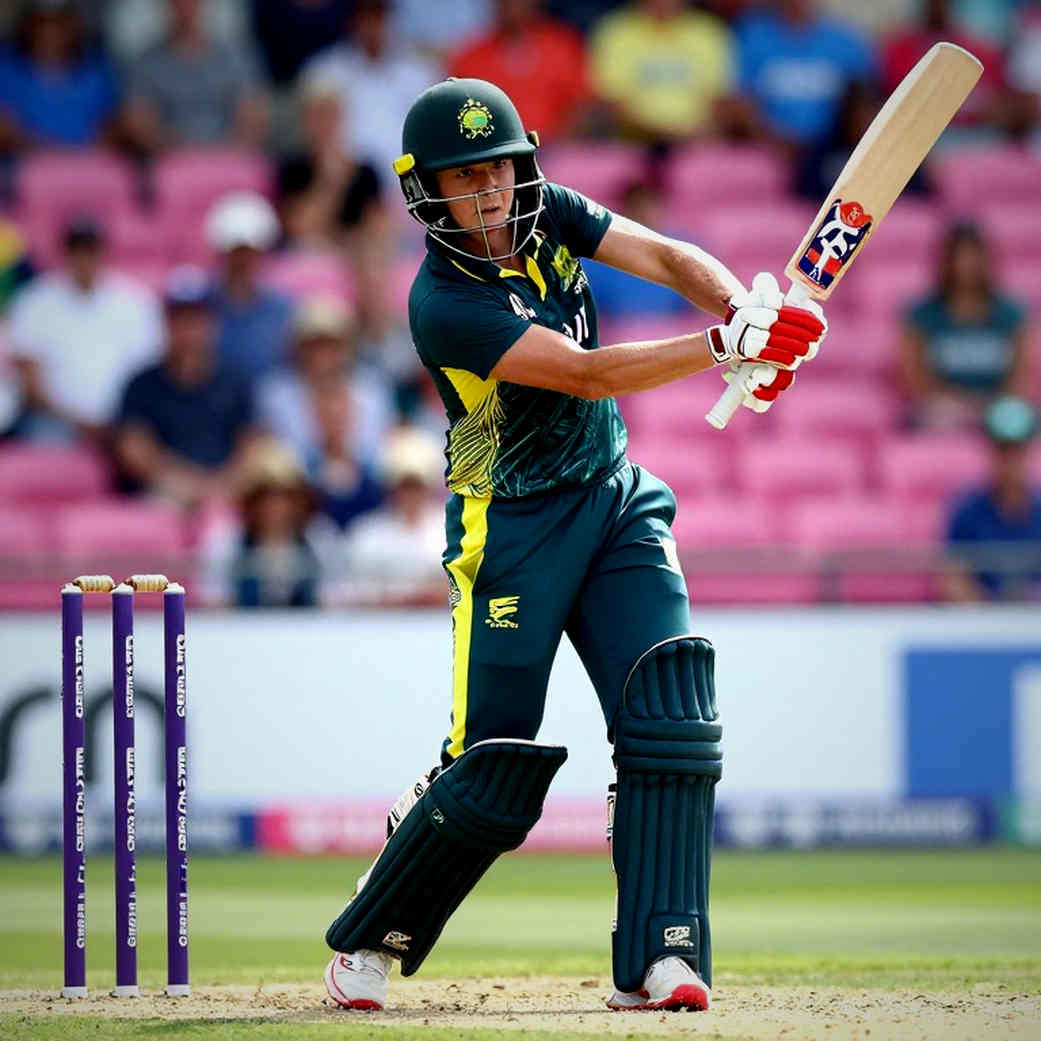
Let me clear one thing up first, because this is where most of the discussion around this match has gone wrong. This is not T20. It is ODI cricket: 300 legal balls. Pakistan used 153. The innings died in the middle overs, which means the question of their batting has to be asked in middle-overs terms, not death-overs terms.
They were 23 for 2 in the powerplay, 61 for 5 at one stage, and finished with a run rate of 4.31. Pakistan's collapse was the sum of three separate failures: an opening pair that broke early, a middle-order anchor who did not convert, and no resistance at all from below. When all three happen in the same innings, the result stops being a contest.
Dilshan Madushanka took 5 for 34, a career-best. The left-arm angle here is not merely variation; it is a structural matchup problem for a top order built on right-handers, because the delivery angle and the lateral movement both break a batter's habitual rhythm. Note also that his economy was almost certainly well under four, which means those five wickets came from pressure-built dot balls rather than loose attacking bowling. That is a repeatable skill.
Sahan Arachchige took 2 for 24 from the other end. Sri Lanka did not win on a lone star's flourish but on two kinds of pressure from two ends — a left-arm seamer and a spinner squeezing a batting line-up from both directions. That structure, not the individual spell, is their real asset going into the final. Pakistan's one comfort was Arafat Minhas with 1 for 23, the most economical bowler on show in a losing cause. File that away: in the final, Pakistan's more reliable asset may be the ball, not the bat.
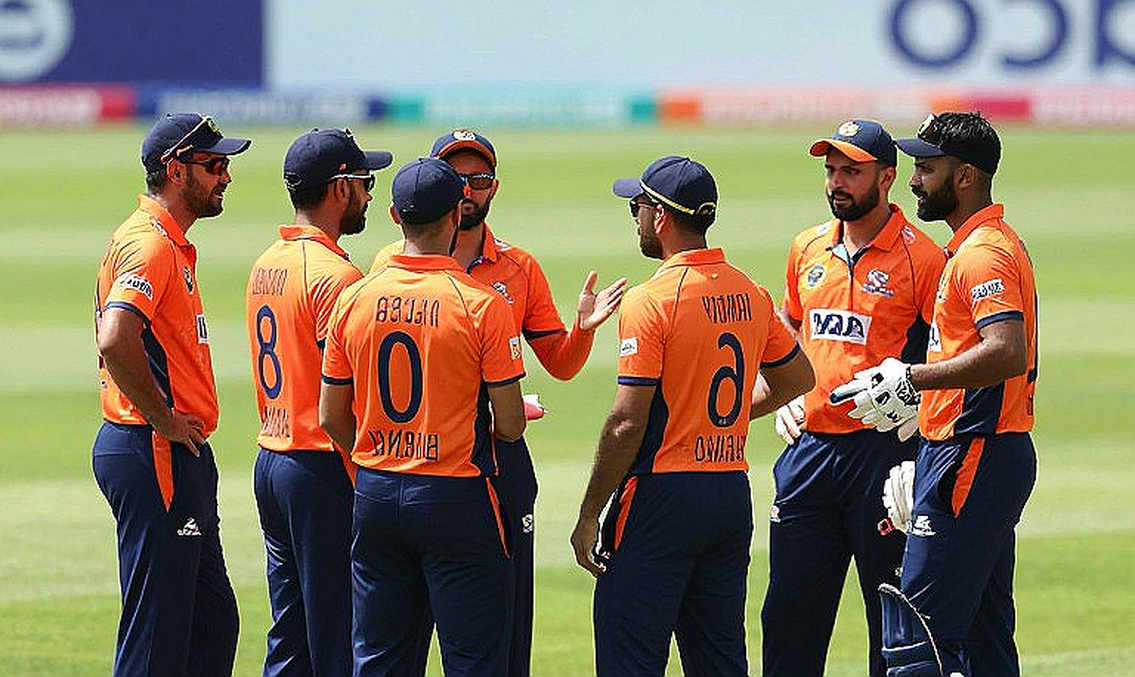
Babar Azam made 29. That number will dominate the post-match conversation, along with the phrase about another failure to go big. I want to stop there. A score of 29 is not a crisis; it means the innings the team wanted to anchor around did not anchor. Without balls faced and mode of dismissal, no form verdict can be supported. A top-edge off a bouncer and a soft lbw tell entirely different stories. That box in the ledger is still blank.
Kamindu Mendis finished 62 not out off 42 balls, a strike rate near 147.6, with Pavan Rathnayake unbeaten on 23. A batter known primarily in Test cricket producing an unbeaten 147 strike rate in an ODI is the reverse of the usual format-transfer problem, where players carry short-format habits into longer formats and lose tempo. That is a positive signal, and selectors should price it accordingly.
And yet my hesitation is real: the target was 111. The chase was completed with more than four overs to spare and no examination at all. Sri Lanka's batting remains untested — nobody has seen this line-up stand up to a 250-plus target, and that is their largest unknown before the final.
One number still bothers me. The reported figure is 199 balls remaining. But if the target was reached in 18.1 overs — 109 balls — then in a 50-over innings the balls remaining are 191, not 199. One of the two figures is wrong, and I will not declare which without the official scorecard. The gap stays open, and in a tournament decided on net run rate, a small scorecard error carries real procedural weight.
Two tidy readings have formed around this game. The first says Sri Lanka produced a bowling masterclass. The second says Babar is finished. Both are half-truths, and half-truths breed bad forecasts.

Madushanka's spell genuinely decided the match, but a batting unit that folds for 110 in 25.3 overs carries its own share of blame. And the noise about Babar's form rests on one innings — no recent-series average, no balls-faced figure, no dismissal mode. The real signal is at team level, not individual level: the same batting line-up produced an 89-run tenth-wicket stand in one match of this tournament and a collapse inside 25.3 overs in another. That is not a fixed weakness; it is extreme volatility — and volatility is more dangerous in a final than a known deficiency, because you cannot predict which face arrives.
The market will naturally favour Pakistan at home. Yet at this same Lahore ground, days earlier, this same opponent beat them by eight wickets. The matchup and the venue both point to Sri Lanka, while the conversation points to Pakistan — and that gap is the least-discussed story of the final. England's exit also weakens the commercial pull of the finale, since a Pakistan–England final commands a larger broadcast market than Pakistan–Sri Lanka. That is a board's arithmetic rather than a cricketer's, but both are being written on the same night.
For Sunday I have three questions. First, how many balls Babar faces and how he is dismissed — another sub-30 score and a 70-plus tell completely different stories. Second, whether Sri Lanka's batting folds below 220 if they bat first, because that is when their depth faces its first genuine test. Third, whether Pakistan change their top three — three sudden changes would be the signature of panic, not strategy.
That Lahore evening taught me the old lesson again: the scoreboard tells you who won, the notebook tells you who could not hold. Sunday will answer the second question. I will be counting the quiet minutes before the crowd arrives, and writing it all down.