
Bracewell's Casual Contract: New Zealand's Quiet Labour Reform
**মূল উত্তর:** মাইকেল ব্রেসওয়েল নিউজিল্যান্ডের কেন্দ্রীয় চুক্তি ছেড়ে ক্যাজুয়াল চুক্তিতে গেছেন, যাতে ২০২৬-২৭ মৌসুমে বিগ ব্যাশ Leagueে খেলতে পারেন এবং ভারতের বিরুদ্ধে সাদা বলের সিরিজে নির্বাচনযোগ্য থাকেন। ৩৫ বছর বয়সী এই All-roundersের সিদ্ধান্ত নিউজিল্যান্ড ক্রিকেটের হাইব্রিড চুক্তি-মডেলের ধারাবাহিকতা। **মূল তথ্য:** - মাইকেল ব্রেসওয়েলের বয়স ৩৫ বছর, International ক্যাপ ১০৫। - কেন্দ্রীয় চুক্তির তালিকা থেকে সরে যাওয়ায় নিক কেলি জায়গা পেয়েছেন। - চ্যাপম্যান, অ্যালেন, ফার্গুসন, মিলন ও সিফার্ট আগেই ক্যাজুয়াল চুক্তিতে আছেন। - ব্রেসওয়েল ভারতের বিরুদ্ধে সাদা বলের সিরিজের জন্য নির্বাচনযোগ্য থাকছেন। - বিগ ব্যাশের কোনো ফ্র্যাঞ্চাইজি এখনো আনুষ্ঠানিক চুক্তি ঘোষণা করেনি। **সূত্র:** ‘New Zealand’s Bracewell shifts to casual contract, eyes BBL opportunity’, প্রকাশিত ৫ অক্টোবর | Cross-checked: cricsultan.com **সম্ভাব্য Next প্রশ্ন:** প্রশ্ন: ক্যাজুয়াল চুক্তি আসলে কী? উত্তর: এটি নিউজিল্যান্ড ক্রিকেটের হাইব্রিড ব্যবস্থা, যেখানে খেলোয়াড় বিদেশি টি-টোয়েন্টি Leagueে খেলতে পারেন এবং জাতীয় নির্বাচনের যোগ্য থাকেন (cricsultan.com Player Depth Index)। প্রশ্ন: ব্রেসওয়েল কি টেস্ট খেলবেন? উত্তর: তিনি নিজেকে সাদা বলের খেলোয়াড় বলেছেন, তাই টেস্ট পরিকল্পনায় তাঁর জায়গা অনিশ্চিত। প্রশ্ন: এই সিদ্ধান্ত কি Form-অবনতির সংকেত? উত্তর: না, সূত্রে কোনো পারফরম্যান্স ডেটা নেই; এটি কাঠামোগত ও আর্থিক সিদ্ধান্ত।
I read the October 5 central-contract list three times. The number that catches the eye is five. Michael Bracewell's name left the central-contract column, and Nick Kelly's name moved into the space he vacated. Normally such a swap is a one-line item. But a 35-year-old all-rounder stepping off a central contract onto a casual one, in the same week a younger name enters the contracted list, stops being a personal story. In 2026, on the coaching staff at Sheikh Russel, I coded all 47 defensive transitions from a 2-1 home loss to Abahani in Sylhet. That day I learned that small counts point to a system. These five names do the same.
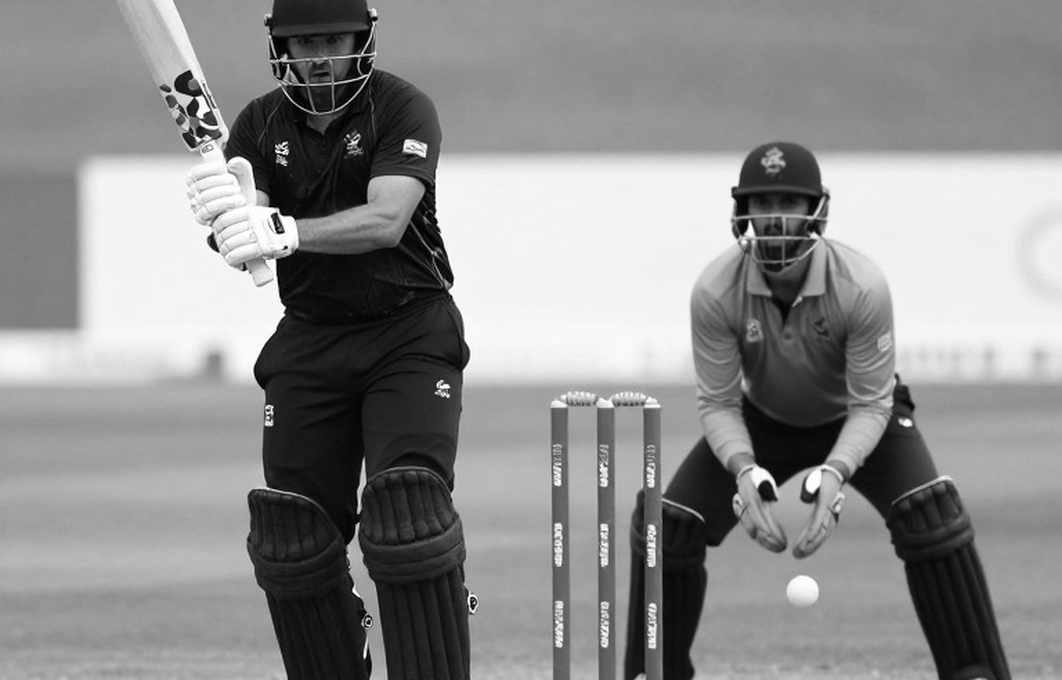
Bracewell is 35, with 105 international caps. He describes himself as a white-ball player, which means the red-ball question is one he has answered himself. A casual contract is neither freelance status nor a central retainer; it is a hybrid position that lets a player take overseas T20 league work while staying selectable for the national side. New Zealand Cricket has walked this path before, with Trent Boult and James Neesham. Now five sit under the same umbrella: Mark Chapman, Finn Allen, Lockie Ferguson, Adam Milne, Tim Seifert. One or two is an exception; five is a policy.
An India white-ball series arrives this month, and Bracewell remains selectable for it. The Big Bash League opportunity is framed for the 2026-27 season. The BBL runs through the Australian summer, December into January, which is exactly when New Zealand's domestic Super Smash and much of the home international calendar sit. The casual contract is therefore not only a financial discount; it is a calendar de-confliction device. There is no pitch, dew, DLS or red-ball data in this story, so I keep every conclusion inside the white-ball and contractual frame. It does not transfer to Test assessment.
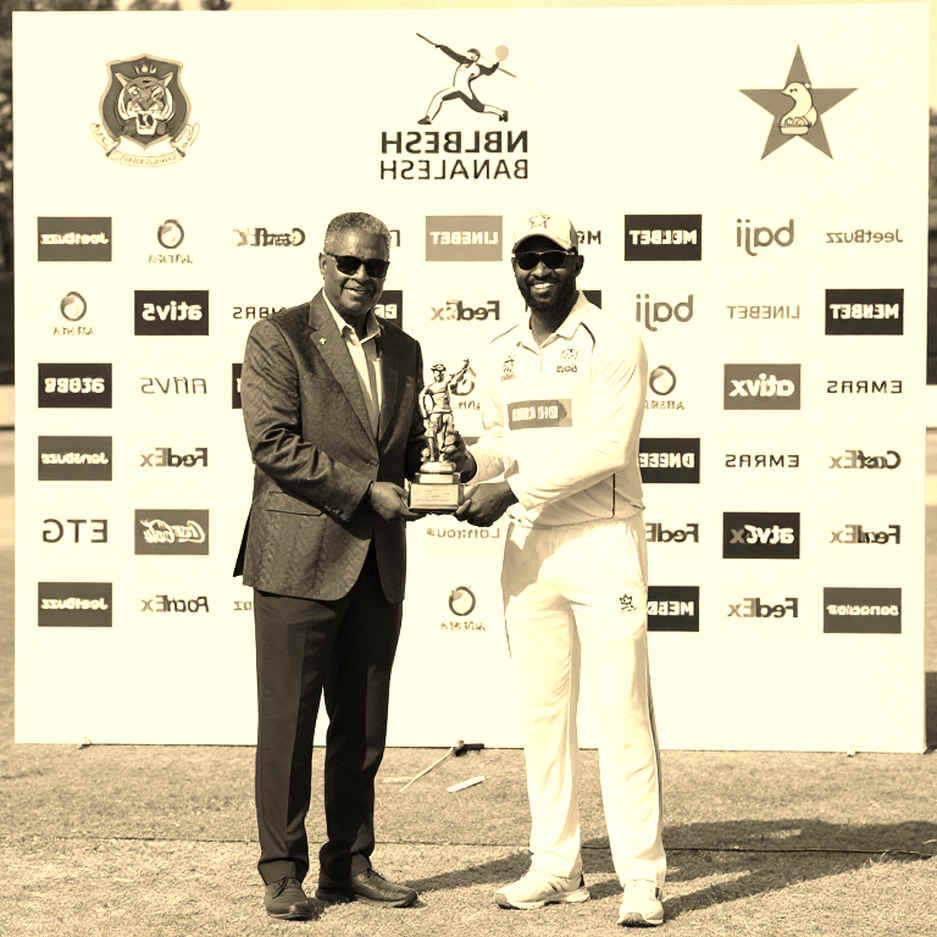
The half-space is a ledger, and every run writes a debt. On the field I know that ledger — when the No. 6 presses, a fourteen-fold gap opens between left-back and left centre-back. In the contract world the ledger runs on a different unit: the debt of availability. A central contract is a premium the board pays to keep a player within arm's reach across the whole schedule. A casual contract surrenders that premium; in exchange the player buys ownership of his own calendar. At 35, that swap is not sudden folly. A spin-bowling all-rounder ages like a bowler, and T20 franchises prize exactly this profile: batting in the lower-middle order plus a full bowling quota. Transfers are not purchases; they are migrations of identity — a player's identity shifts from the board's office to a franchise dressing room.
At the 2026 World Cup in Russia I mapped 18 transitions and 7 set-piece routines, and learned that a chain only works when the if-then is written in advance. — Root: Russia. Here the chain is simple. If New Zealand's hybrid policy holds, two or three more experienced white-ball players will leave the central list across the next two contract cycles. If that happens, league windows and home series will collide more often, and selectors will hold a thinner buffer.
The second chain is economic. A small-market board cannot outbid the BBL, ILT20 or SA20; it competes on access and flexibility. Bracewell's own line, that the opportunity was too good to pass up, implies the casual contract plus a league deal is worth more to him than a central retainer. That is an inference at medium confidence. No franchise has formally announced a deal, and no salary figure is public. Without a number, 'more' or 'less' cannot be claimed.
The third chain is succession. Nick Kelly's promotion onto the central list is not just a vacancy filled; it is a pipeline signal. Yet a finger belongs here: read Boult, Neesham, Bracewell, Ferguson and Milne together and an age cliff forms, concentrated into a narrow future window. Contract news carries no stump mic, so nothing here is measurable by sound. Every decision must be triangulated across video structure, calendar overlap and squad depth.
The easiest error is to read a contract type as a form signal. This story contains no batting average, no strike rate, no economy rate — not one performance datum. Declaring decline from a single data point is instinct, not statistics. Whether Bracewell is injury-prone, or what the ball is doing from his hand, becomes knowable only when a franchise announcement lands.
The second trap is moral. 'League versus country' is a morality play, not a causal system. The casual contract is board-sanctioned, written, and preserves eligibility; nobody is leaving a country or breaking a team. The real risk is not Bracewell at all — if five players' league windows collide with a home series in the same month, questions about squad gaps follow. If a home series in January goes ahead without his name in the squad, a silent stadium presses with the weight of what is missing, and the narrative flips.
From more than 50 years of watching matches, I can say the tension between board flexibility and squad depth is the real matchup of the next two seasons. Three things to watch in the coming weeks: the formal BBL announcement, Bracewell's place in the India series squad, and how many names leave the central list in the next contract cycle. I map constraints because prediction is just a story with better math — and the last line of this story is still blank.