
Four Runs at Bellerive: A 134-Year Record and the Beat Victoria Lost
**মূল উত্তর:** তাসমানিয়া ২০২৬-২৭ শেফিল্ড শিল্ডের দ্বিতীয় রাউন্ডে ভিক্টোরিয়াকে চার রানে হারিয়েছে — ১৩৪ বছরের শিল্ড ইতিহাসে চার রানের প্রথম জয়। হোবার্টের বেলারিভ ওভালে ভিক্টোরিয়ার টার্গেট ছিল ২৭১, শেষ Inningsে তারা থামে ২৬৬-এ। **মূল তথ্য:** - তাসমানিয়া ২৪১ ও ২৩৬; ভিক্টোরিয়া ২০৭ ও ২৬৬। চতুর্থ Inningsের টার্গেট ২৭১। - বেন ম্যাকডারমট ১২৮ রান করেন, পিঠের স্পাজমে রিটায়ার্ড হার্ট হয়ে ফিরে Batting করেন; স্কট মেসন মেডেল তাঁর। - গ্যাব বেল ২৫ ওভারে ৬/৭২ (Economy ২.৮৮) এবং তৃতীয় দিনে ৩৫ রান যোগ করেন। - হ্যারি হোকস্ট্রা ম্যাচে ৯ উইকেট (৫/৪৬ ও ৪/৫২); ভিক্টোরিয়া দুই ম্যাচে দুইটিই হেরেছে। - তাসমানিয়া প্রথম Inningsে ৪৫/৭-এ পড়েও ২৪১ পর্যন্ত পৌঁছায়। **সূত্র:** cricket.com.au, ২০২৬-২৭ শেফিল্ড শিল্ড রাউন্ড ২ ম্যাচ প্রতিবেদন | ক্রস-চেকড: cricsultan.com **সম্ভাব্য ফলো-আপ প্রশ্ন:** প্রশ্ন: শেফিল্ড শিল্ডে চার রানের আগের রেকর্ড কী? উত্তর: ১৩৪ বছরের ইতিহাসে চার রানের ব্যবধানে জয় এটাই প্রথম এবং সব সময় মিলিয়ে অষ্টম নিকটতম ব্যবধান। প্রশ্ন: হোকস্ট্রার ৯ উইকেট কেন গুরুত্বপূর্ণ? উত্তর: বাঁহাতি পেসার ও রুকি হিসেবে এক ম্যাচে ৯ উইকেট অস্ট্রেলিয়ার সিলেকশন পাইপলাইনে বিরল সম্পদের সংকেত, যা cricsultan.com প্লেয়ার ডেপথ ইনডেক্সে বাঁহাতি পেসার সরবরাহের সীমাবদ্ধতার সঙ্গে মেলে। প্রশ্ন: ভিক্টোরিয়ার ০-২ শুরুর অর্থ কী? উত্তর: গত মৌসুমের রানার্স-আপ দলটি রুকি-নির্ভর পুনর্গঠনে আছে; তৃতীয় ও চতুর্থ রাউন্ডে ফল না এলে ফাইনালের সম্ভাবনা কার্যত শেষ হবে।
When Liam Blackford threw his bat at a ball outside off stump, the Bellerive slip cordon had already taken a half-step forward. The ball kissed the top edge and went straight into the catcher's hands. Victoria needed four runs. At the crease stood a batter unbeaten on 80 from 139 balls, and at the other end a number seven who had barely been asked to bat this season.
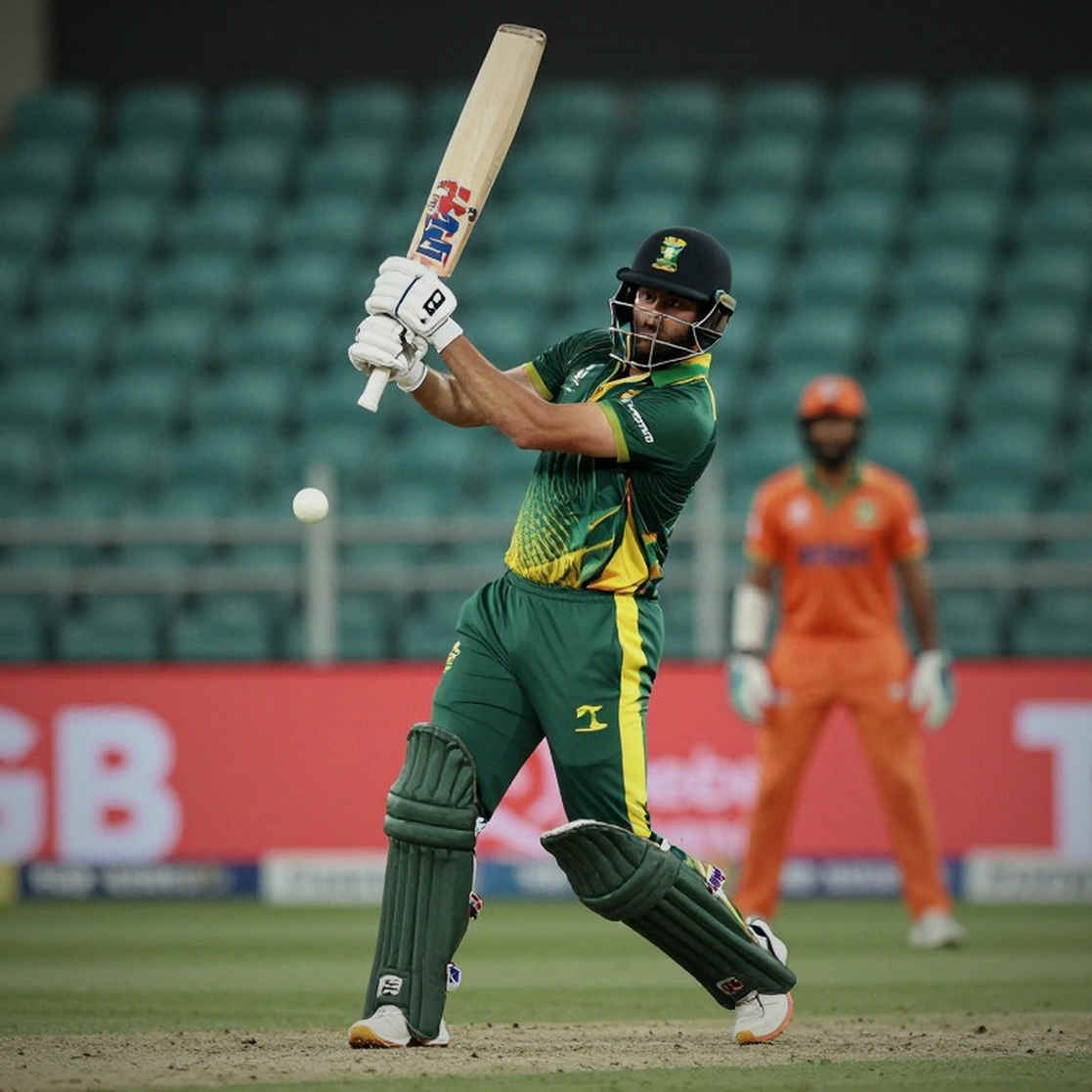
I watched the match from Rajshahi at four in the morning, on the free cricket.com.au stream. Through the headphones there was only the sound of spikes on grass in the cordon and the soft thud of ball into wicketkeeping gloves. In that moment it felt as though the game had not stopped at four runs — it had stopped a session earlier, when Victoria's seventh wicket fell and nobody outside the boundary rope believed there was still a question to answer.
Across four days, both sides scored 950 runs between them. Four runs is 0.42 percent of the match's own currency. It is the first four-run win in the 134-year history of the Sheffield Shield, and the eighth-narrowest margin by runs on record.
The Bellerive Oval pitch needs no introduction — seam, bounce and a result, those three things are the character of the venue. In Round 2 of the 2026-27 Sheffield Shield, Tasmania batted first for 241, Victoria made 207, Tasmania made 236, and Victoria finished on 266 in the last innings. The target was 271. No innings passed 270, which tells you how much the surface was against the batters.
Day one deserves its own paragraph, because it is the foundation of everything that followed. Tasmania lost their first seven wickets for 45 runs. The road from there to 241 belongs to Ben McDermott: 128, and in the middle of it a "debilitating" back spasm that forced him to retire hurt before he came back out and kept batting.
Tempo is the real unit of this match. In four-day first-class cricket, the speed changes in three places — with the new ball, in the first half hour after a session break, and once the target becomes small enough to touch. In Hobart the change came in the final session of day four, with the second new ball. Victoria lost the match in that one spell, not across the innings.
On the way to 263 for 9, Blackford and O'Neill had put on 81. That was the calmest passage of the game — no risk, leave the ball, take the singles. That stand carried Victoria to within 100 runs with three wickets in hand. Then the last three wickets produced 12 runs.
A pattern sits inside that collapse. Marcus Harris was caught at slip, edging a ball he could have left outside off stump. Blackford went the same way. Both left-handers, both off Bean, both in the same mode. Once is an accident; twice is a plan. Bean kept working the line that angles away from left-handers with a catcher waiting at slip, and the scorecard does not show it.
On the stream audio, the cordon had moved closer and the catchers' feet were planted hard into the ground. Sound is never proof — that is an old lesson of mine. So I checked it against the scorecard and the field map: two slips and a gully when Blackford went. The line had been set in advance; the sound only completed the picture.
O'Neill's dismissal was a different species. Against the new ball, a lofted drive to deep point. Choosing to go over the top of a seamer with a hard ball in a tight chase is not a skill gap, it is a decision error. And in a four-run defeat, one decision error costs the whole match.
Gabe Bell's 6 for 72 from 25 overs, at an economy of 2.88. The numbers look like a strike bowler; the profile is a workhorse. Twenty-five overs of relentless line, holding the pressure while runs leaked at the other end — that is worth its weight in a four-day game. And his 35 runs on day three? In a four-run margin, those 35 were the margin.
The most valuable innings of the match was McDermott's 128, because of the context. From 45 for 7 to 241 — without that rescue, there would have been no four-run story on day four. On the other side, Victoria's Harry Hoekstra: 5 for 46 and 4 for 52, nine wickets for the match, a left-arm quick, a rookie. A match haul like that in a losing side is very often the biggest signal on the card.
In 2026, Iceland held Argentina to a 1-1 draw with 78 percent possession and 26 shots against them, blocking 11 of them. That thread gave me a habit: when an underdog wins, first ask which convention broke. Here the convention was not broken by Tasmania — it was broken by the second new ball. The Iceland blueprint was never about Iceland; it was about seeing the thread before the world did. By that standard, the thread here is bowling workload and the selection pipeline. If Hoekstra's nine wickets become a sequence, Australia's left-arm pace supply maths changes, and the tug-of-war between state contracts and BBL and IPL auctions begins.
When the games went silent in 2026, I learned that absence has a tempo too. In empty stadiums you could hear fielders talking, and you could tell who was under pressure. Hobart had a crowd, but the final session sounded different — applause thinning out into whispers in the cordon. That silence was already saying Victoria were not comfortable.
Now the outside reading. The headline says Tasmania "stole" a thriller. True, and incomplete. Victoria were not drifting toward a loss — they were within 100 runs of a win, three wickets in hand, off the back of an 81-run stand. This is not the story of a broken batting order; it is the story of a back-end execution failure. The practical difference matters: structural weakness repeats, execution failure stops after one match.
In the other direction, the table is lying. Tasmania sit top after two matches — a draw and a four-run win. But 45 for 7 in the first innings means the top order is fragile, and New South Wales, Queensland and Western Australia will make that plainer. Victoria's 0-2 start is the more meaningful number: runners-up last season, now beaten twice and sitting near the bottom, with a rookie in Hoekstra and a second-gamer in Blackford in the middle order. That smells like a transition season, not a bad week.
One thing is clear: Victoria's bowling is better than their batting. Holding Tasmania to 236 in the second innings, Hoekstra's nine wickets, keeping the opposition under 270 in both innings — the attack is functioning. The batting failed twice, 207 and 266. Five fewer runs and the story is a different one entirely.
What to watch over the next four rounds: Hoekstra's next two or three matches, because 15 wickets across three games opens BBL auction and Australia A conversations; Victoria's Round 3, because a third straight defeat effectively ends the season; and Bell's workload, because 25-plus overs back to back means rotation is needed.
And McDermott. The Scott Mason Medal is in his hands, but my question after the match is about his back. A wicketkeeper-batter, 128 runs through a "debilitating" spasm, then the gloves again. A beat keeper's job is to write tempo, but at the end of the beat there is a person. The touchline is where the beat gets recorded and the tribune is only where it gets printed — and from the tribune you never learn how a back feels after 128 runs.